
 By Pallavi Thakur
Grocery bills keep creeping up, and 2026 is no exception. Between rising produce costs, packaging inflation, and the sheer convenience-tax of quick commerce, the average household is spending more on the same cart than it did just a couple of years ago — and shoppers in cities like Los Angeles, where grocery prices already run above the national average, are feeling it the most.
The good news? Saving money on groceries doesn’t mean giving up quality or convenience. It means shopping smarter — and that’s exactly where a platform like LocolDeal comes in. Instead of hunting through five different apps for coupons, LocolDeal brings local grocery coupons, deals, discounts, and exclusive offers from nearby stores and services — from Downtown LA to the Valley — into one place, so you never miss a saving.
Here are 15 practical, up-to-date ways to cut your grocery spending in 2026.
1. Shop Local Deals Before You Shop the Store
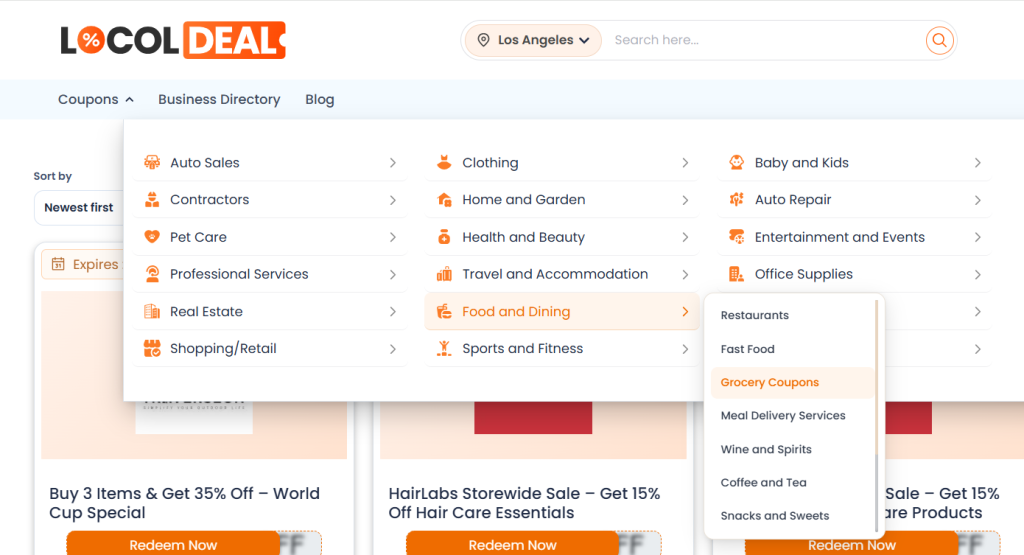
Before you even step into a grocery store — or open a delivery app — check what’s currently discounted nearby. Local grocers, butchers, bakeries, and specialty stores often run offers that never make it to national ad campaigns because traditional marketing is too expensive for them.
This is exactly the gap LocolDeal was built to close. Small and mid-sized grocery businesses list their exclusive deals and coupons directly on the platform, so shoppers can browse verified local offers before deciding where to buy. It’s a simple habit — five minutes of browsing can shave a noticeable chunk off your weekly bill.
2. Make a List (and an App Won’t Hurt)
This one never goes out of style, but in 2026 it’s easier than ever to enforce. Plan your meals for the week, check what’s already in your fridge and pantry, and build your list around that — not around what looks good on the shelf. Digital list apps that sync with your phone reduce the chance of forgetting an item and making a second, more expensive trip.
Pairing your list with a coupon platform means you can check for deals on each item as you plan, instead of discovering a discount after you’ve already paid full price.
3. Compare Quick Commerce vs. Traditional Grocery Runs
Ten-minute delivery apps have made grocery shopping incredibly convenient, but that convenience often comes with a markup on individual items plus delivery and handling fees. In 2026, the smartest shoppers use quick commerce for top-ups and traditional or bulk shopping for the weekly stock-up — comparing prices before deciding which channel to use for what.
Whichever channel you pick, look for a discount first. Many quick-commerce and delivery partners run limited-time local promotions that are easy to miss unless you’re checking a dedicated deals platform like LocolDeal.
4. Buy in Bulk — But Only What You’ll Actually Use
Bulk buying still saves money on non-perishables, cleaning supplies, and pantry staples. The rule hasn’t changed: always compare the price per unit, not the price per pack, and only buy in bulk if you have the storage and will realistically use the product before it expires. Splitting a bulk order with a neighbor or family member is a smart workaround if you don’t have space.
5. Join Store Loyalty Programs — Local Ones Too
Big chains aren’t the only ones with loyalty perks anymore. In 2026, many independent and neighborhood grocery stores will run their own digital loyalty programs, offering points, cashback, or first access to sales. Because these programs are smaller and less publicized, they’re easy to overlook — which is another reason a local-deals aggregator is useful: it surfaces offers from stores you might not think to check yourself.
6. Time Your Shopping Around Markdown Hours
Most grocery stores mark down perishables — meat, bakery items, produce nearing its sell-by date — in the evening, once staff can see what won’t sell before closing. Shopping an hour or two before closing time can mean 30–50% off items that are still perfectly good. It takes a bit of flexibility in your routine, but it’s one of the most reliable discounts that has nothing to do with a coupon code.
7. Stack Store Discounts With Platform Coupons
Coupon stacking is still one of the highest-leverage savings tactics — combining a store’s own discount with a manufacturer or platform coupon on top. The trick in 2026 is knowing which stores allow it and having your codes ready before checkout.
This is where LocolDeal does the legwork for you. Because it aggregates offers directly from grocery businesses and services in your area, you can check for an active LocolDeal coupon on top of whatever in-store discount is already running, instead of manually cross-checking multiple retailer apps.
8. Avoid Pre-Cut and Pre-Packaged Convenience Items
Pre-chopped vegetables, shredded cheese, and pre-portioned meal kits cost more per ounce than their whole-food counterparts. If you have a little extra time, buying whole and prepping at home is still one of the simplest ways to cut costs — and it usually means fresher ingredients too.
9. Use Cashback and Rewards Payment Methods
Grocery-focused credit and debit cards, along with cashback apps, can return 2–6% on every grocery purchase. Choose a card that matches your actual shopping habits, pay the balance in full each month, and treat the cashback as an automatic discount layered on top of any coupon you’ve already used.
10. Follow the Weekly Sales Cycle
Grocery stores rotate their discounts on a predictable cycle — pantry staples one week, dairy or produce the next. Learning your regular store’s pattern lets you time bigger purchases for when prices are naturally lower, rather than buying everything at full price out of habit.
11. Choose Generic and Local Brands
Store brands and local producers often match name-brand quality at 20–30% lower prices, especially for staples like grains, dairy, and household basics. In 2026, more shoppers are also choosing local producers for freshness and to support neighborhood businesses — and many of these smaller brands run their own promotions through community-focused platforms like LocolDeal rather than national ad campaigns.
12. Set a Shopping Time Limit
Longer time in-store almost always means more impulse purchases. Whether you’re shopping in person or scrolling a delivery app, set a mental (or literal) timer. Sticking to your list and a time limit reduces decision fatigue — the exhausted “just throw it in the cart” moments that quietly inflate your total.
13. Check In-Season and Hyperlocal Produce First
Seasonal, locally grown produce is consistently cheaper than out-of-season imports, and the price gap has widened as shipping and cold-storage costs have risen. Farmers’ markets, local co-ops, and neighborhood grocers often list their seasonal specials on local deal platforms, making it easy to see what’s both fresh and discounted this week without visiting five different places.
14. Bring Your Own Bags and Containers
Bag fees are now standard in most cities, and some stores offer small discounts — often 5–10 cents per bag — for shoppers who bring their own. It’s a minor saving individually, but it adds up over dozens of trips a year, and it cuts down on packaging waste too.
15. Let a Coupon Platform Do the Searching for You
The single biggest shift in grocery saving for 2026 isn’t a new trick — it’s not having to manually search for deals at all. Instead of checking multiple store apps, newsletters, and social media pages for promo codes, a platform built specifically to surface local business deals does the searching for you.
That’s the entire idea behind LocolDeal: local grocery stores, delivery services, and specialty food businesses list their exclusive offers in one place, so shoppers can compare and redeem deals without the hassle — and businesses can reach new customers without expensive marketing campaigns.
Why Is LocolDeal Built for Grocery Savings in 2026?
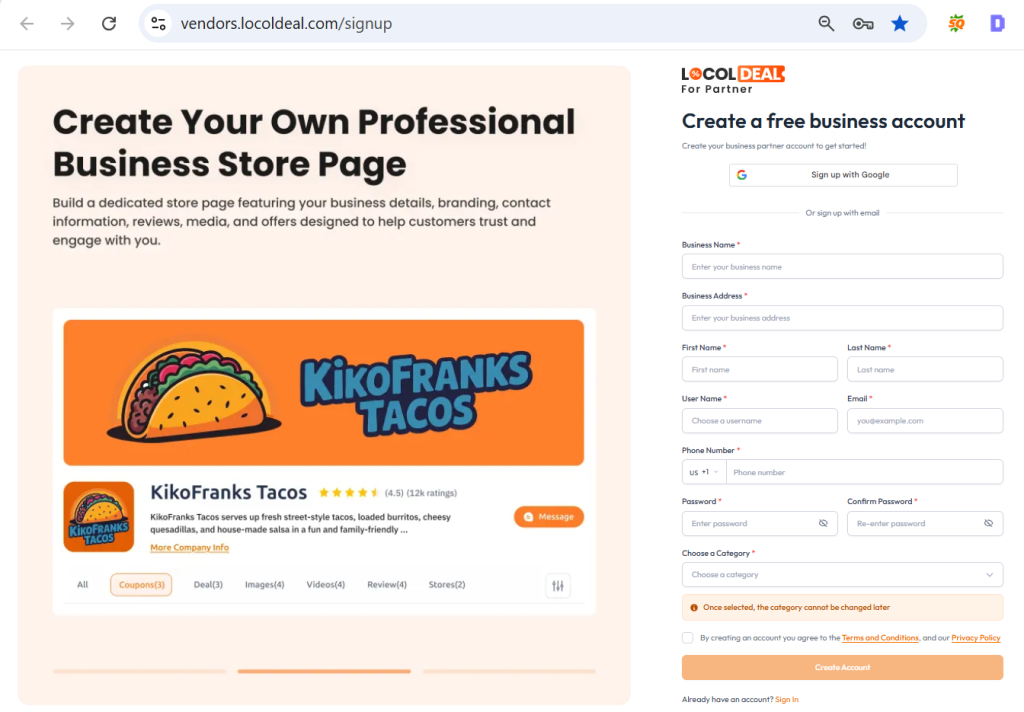
Grocery shopping in 2026 spans supermarkets, quick commerce apps, local grocers, farmers’ markets, and specialty stores — which means deals are more scattered than ever. LocolDeal exists to bring them back together:
- For shoppers: browse verified local coupons and deals across every type of grocery service in one place, instead of jumping between apps.
- For grocery businesses: reach new customers, build loyalty, and drive word-of-mouth referrals through exclusive deals — without the cost of traditional marketing campaigns.
Whether you’re stocking up at a neighborhood grocer, ordering through a local delivery service, or comparing prices across a few different stores, checking LocolDeal before you buy takes one habit — a few minutes of browsing — and turns it into consistent monthly savings.
Signup for all types of business vendors.
Own a Grocery Business? List for Free on LocolDeal
If you run a grocery store, market, delivery service, or specialty food business — in Los Angeles or anywhere else — LocolDeal also works the other way around.
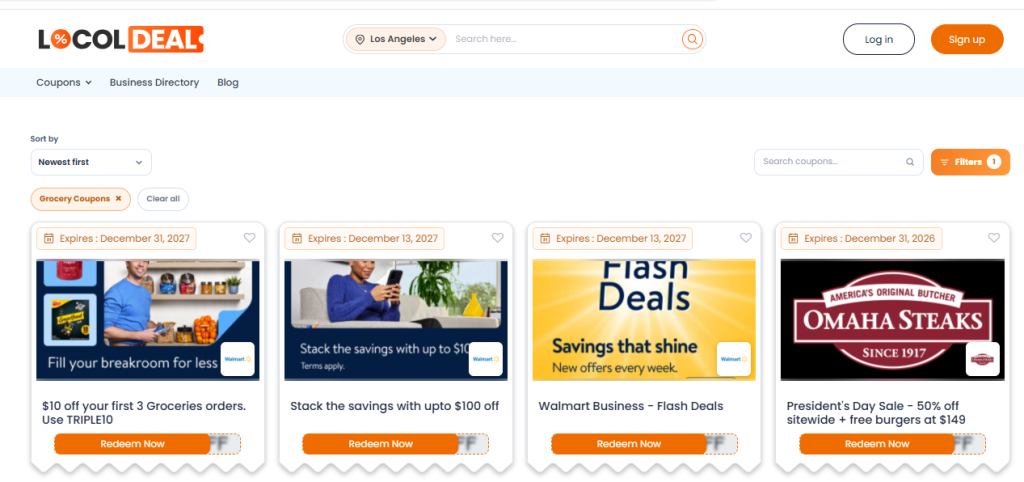
Instead of spending on expensive ad campaigns to get noticed, you can create a free business listing on LocolDeal and put your store directly in front of local shoppers who are actively looking for deals. There’s no cost to get listed, and no complicated setup:
- Get discovered locally — your store shows up to nearby customers browsing grocery deals in your area.
- Post exclusive coupons and offers — attract new customers and give regulars a reason to come back.
- Build word-of-mouth momentum — deal-seekers share good finds, which means free organic reach for your business.
- Track what’s working — see which offers are driving the most interest without paying for expensive analytics tools.
For small and independent grocery businesses competing against big chains with big ad budgets, a free listing on a platform shoppers already trust for deals is one of the simplest ways to level the playing field.
Final Thoughts
None of these tips require dramatic lifestyle changes. Small, consistent habits — planning ahead, timing your purchases, choosing the right brands, and stacking every discount available — are what actually move the needle on your grocery bill over a year.
Start by making local deals part of your routine. Check LocolDeal before your next grocery run, and let the savings add up on their own.
Frequently Asked Questions
Will groceries get cheaper in 2026?
Unlikely to drop significantly — inflation, supply costs, and tariffs keep prices elevated. But your effective spend can shrink through smart shopping and local deals. Checking LocolDeal before every trip helps offset rising prices with real savings.
What is the 5-4-3-2-1 rule when grocery shopping?
It’s a portion-planning guide: 5 veggies, 4 fruits, 3 proteins, 2 grains, 1 dairy per week, to build balanced, waste-free meal plans. Shop this list smarter by checking LocolDeal for local deals on each category before you buy.
Is $1,000 a month too much for groceries?
It depends on household size and location — for a family of 4-5, it’s roughly average; for 1-2 people, it’s high. Cutting waste, meal planning, and using LocolDeal’s local coupons can bring that number down meaningfully.