
 By Pallavi Thakur
Money lessons stick best when they’re learned early, and few habits teach budgeting, patience, and smart decision-making as naturally as couponing. When kids grow up watching (and helping) a parent hunt for savings, they absorb real financial skills without ever sitting through a lecture. The best part? It doesn’t have to feel like a chore. With a little creativity, couponing can become a game your whole family looks forward to.
Here’s how to introduce your kids to the world of coupons and deals, and turn it into a lifelong money habit.
Why Teach Kids About Couponing?
Children are naturally curious, and they love feeling like they’re in on a secret — especially one that saves the family money. Teaching kids about coupons does more than cut a grocery bill; it shows them that a dollar saved is a dollar earned, and that a little research before spending can go a long way.
Along the way, kids pick up skills that carry into adulthood: comparing prices, telling needs apart from wants, and planning ahead instead of buying on impulse. These aren’t just “money skills” — they’re life skills.
Fun Ways to Get Kids Interested in Couponing
Kids engage best through play, so lean into it:
- Coupon treasure hunt — Hide coupons or ads around the house and let kids “discover” the day’s best deals.
- DIY coupon booklets — Let kids design their own coupons for chores or family privileges, teaching them how value and exchange work.
- Sorting games — Have them organize coupons by store, category, or expiration date.
- Shopping list challenge — Give kids a list and have them find matching coupons, then calculate the total savings.
- Savings goal tracker — Set a family target, like saving $20 in a month, and track progress on a chart on the fridge.
- Needs vs. wants sorting — Before shopping, have kids separate the list into “need it now” and “want it later.”
These small games build big instincts — the same instincts that later help them spot a genuinely good deal versus a marketing gimmick.
Turning Couponing Into a Real Math Lesson
Grocery trips are a goldmine for practical math. Ask your kids to calculate what a coupon actually saves, or which of two deals is the better buy. For example: is it cheaper to buy two items on sale with a coupon, or one item at full price? Working through questions like this teaches percentages, addition, and subtraction in a way that feels useful rather than abstract.
At the store, let kids take the lead in finding items that match your coupons. It keeps them engaged, sharpens their attention to detail, and gives them a small taste of managing a real budget.
Make It a Family Activity
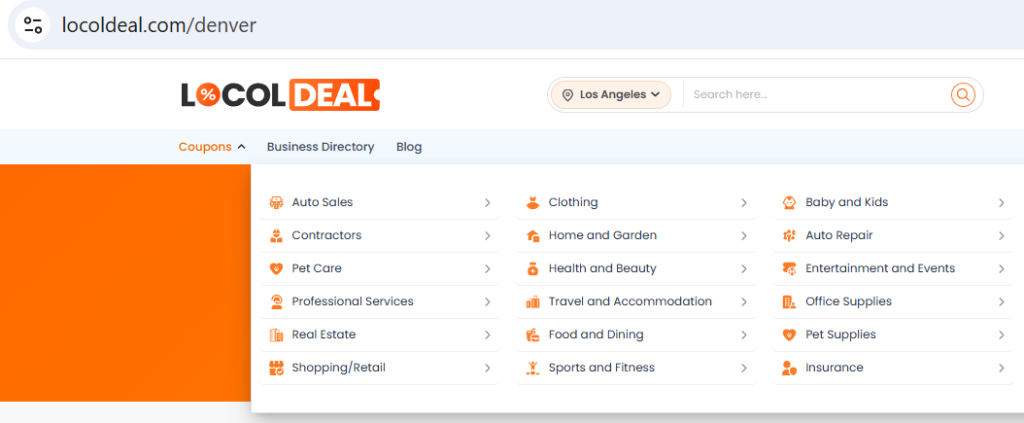
Set aside a little time each week to sort coupons together, plan the shopping list, and talk about what you’re saving for. If your family is based in Colorado, this is a great moment to browse a local deals listing in Denver together — kids can help pick out restaurants, activities, or stores worth checking out, turning a routine task into a small adventure in planning.
You might even set a family goal, like saving up for a weekend outing, and let the kids track how close you are to hitting it. Celebrating milestones — even small ones — reinforces that saving is a team effort with a real payoff.

Digital Couponing for Tech-Savvy Kids
Older kids who are comfortable with apps and websites can graduate to digital couponing. Show them how to search for Denver coupons online, compare current offers, and build a shopping list around what’s actually discounted that week. This is also a natural opportunity to talk about using technology responsibly — reading the fine print, checking expiration dates, and avoiding deals that seem too good to be true.
Letting kids browse local, family-friendly deal listings together can also open the door to new experiences nearby — a new pizza place, a weekend activity, or a store they hadn’t noticed before — all while reinforcing the habit of checking for a deal before spending.
Board Games That Build Financial Skills
Screen-free options work just as well. A few favorites that reinforce budgeting and saving:
- Monopoly — property investment and money management
- The Game of Life — simulated life choices, including saving for the future
- Pay Day — managing bills and balancing income with expenses
- Money Bags — earning, saving, and spending, aimed at younger kids
- Cashflow for Kids — simplified income, expenses, and assets
- Allowance Game — decision-making with pocket money
- Catan Junior — basic trading and resource management
Rotate these into family game night, and the lessons will reinforce themselves without feeling like homework.
Real-Life Challenges to Reinforce Learning
Once the basics click, hand kids a small real-world test. Give them a $10 budget and a stack of coupons, and let them plan a mini shopping trip or pick a few items from the weekly list. Encourage them to compare prices and stay within budget on their own.
These challenges build confidence fast. Over time, kids start spotting good deals — and questioning unnecessary purchases — without being prompted.
Tips for Parents
Patience matters more than precision here. Keep the experience light and rewarding rather than turning it into a test. Let kids make small mistakes — miscalculating a savings amount or picking a coupon that doesn’t apply — and treat those moments as part of the learning, not a failure. The goal is a positive relationship with money, not instant mastery.
Start Today
Couponing is a simple, low-pressure way to introduce kids to real financial thinking early in life. It builds decision-making skills, sharpens math, and creates family moments around a shared goal. Start small, keep it playful, and let curiosity do the rest — your kids will carry these habits well into adulthood.
Why LocolDeal for Free Business Listings?
LocolDeal helps local businesses attract new customers, keep them engaged, and increase word-of-mouth referrals by offering exclusive deals and coupons — and getting started costs nothing. Vendors can create a free business listing and add unlimited coupons at no cost, while customers can browse verified offers and start saving right away. Whether you’re a family looking for a trustworthy local deals listing or a business owner hoping to reach nearby shoppers without expensive marketing campaigns, LocolDeal makes it easy to connect. Browse Denver coupons, discover new spots worth visiting, and build savings habits — for kids and adults alike — one deal at a time.
Free signup for vendors and customers — vendors list their business and post coupons free, and customers join free to start finding and saving on local deals. No hidden fees, no complicated onboarding — just sign up and start connecting.

Final Closer
Teaching kids to coupon isn’t about raising super-savers overnight — it’s about building a habit of thoughtful spending that lasts a lifetime. Every treasure hunt, sorting game, and family shopping trip adds up to real financial confidence down the road. And while your kids are learning to spot a good deal, there’s no reason the rest of the family should pay full price either.
That’s where LocolDeal comes in. From reliable local deals in Denver to fresh, regularly updated Denver coupons, it’s an easy way to make saving a habit for everyone at home. Vendors get a free business listing and free coupon posting to reach local shoppers, while customers enjoy free signup to browse and save from day one. Start small, save together, and let LocolDeal help your family — and your favorite local businesses — grow along the way.
Frequently Asked Questions
What age should kids start learning about couponing?
There’s no fixed starting age, but most kids can begin around six or seven, once they grasp basic counting. Keep it playful at first: let them sort coupons by store or color, or spot matching items on a shopping list. As they grow older, introduce percentages and price comparisons. The real goal isn’t fast mastery, it’s early exposure. Kids who see saving modeled as a normal part of shopping tend to carry that instinct naturally into their teenage and adult years without much extra effort.
How does couponing actually teach kids budgeting skills?
Couponing turns budgeting into something kids can see and touch instead of just hearing about. When they compare a coupon price against the regular price, they’re practicing subtraction and percentages in real time. Giving them a small shopping budget and letting them choose items within it teaches prioritizing needs over wants. Over time, these small exercises build genuine financial confidence, helping kids understand that spending decisions involve trade-offs long before they ever manage a real paycheck or personal bank account.
Are digital coupon apps safe for kids to use?
Most reputable coupon apps and local deal platforms are safe, but kids should still use them with supervision, especially when accounts, emails, or payment details are involved. Treat it as a teaching moment about privacy, spam, and reading terms before clicking “redeem.” Let younger kids browse deals on a parent’s device, while older, tech-savvy kids can explore trusted sites independently. It’s a practical way to introduce responsible technology habits while they enjoy the reward of finding a genuine discount.
How can I find trustworthy local deals for my family?
Start with a reliable local deals listing in Denver rather than random pop-up ads, since curated platforms verify offers before publishing them. Look for deals from businesses your family already visits, like grocery stores, restaurants, or family activities, so savings feel relevant rather than random. Checking listings weekly with your kids also turns deal-hunting into a shared habit. Over time, this builds a family routine of comparing options before spending, rather than paying full price out of convenience or habit.