
 By Pallavi Thakur
Shopping has always had a gender story behind it, and in a competitive market where businesses seek free local advertising in New York, the 2026 numbers make that story sharper than ever. Whether it’s a quick grocery run, a big furniture purchase, or a deal from the local shop down the street, men and women approach the checkout counter — and the checkout screen — in noticeably different ways.
Women remain the dominant force in consumer spending. Multiple 2026 studies put women’s share of purchasing decisions somewhere between 70% and 85%, with global female consumer spending estimated at tens of trillions of dollars — roughly half of all worldwide consumption. Women also shop more often and spend more time doing it, averaging close to an hour per trip compared to about 45 minutes for men. Men, meanwhile, tend to shop with more of a get-in-get-out mindset, favoring in-store purchases and full-price checkouts over browsing and comparison shopping.
Category Breakdown for Shopping Services
Shopping behavior varies widely across product categories, and gender remains one of the most telling lenses through which to understand it. From apparel and footwear to furniture and home décor, purchasing patterns reveal distinct differences — not just in how much is spent, but in why, when, and how the decision gets made.
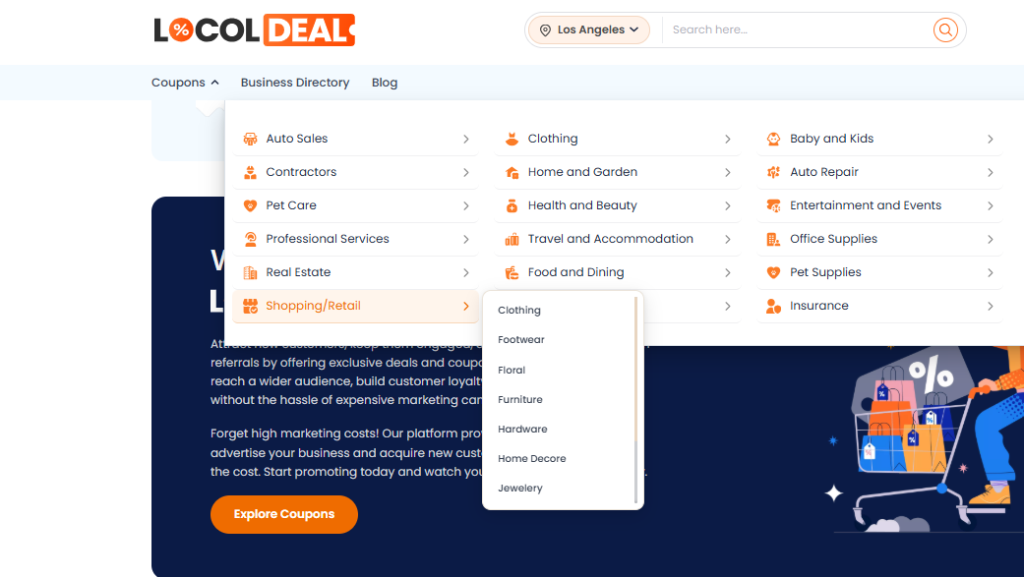
Some categories, like furniture and home decor, show one gender clearly driving the purchase; others, like floral and local shops, are shaped more by occasion or channel than by who’s buying. Understanding these nuances helps shopping platforms and retailers tailor their offerings, messaging, and marketplace experience to better serve the real dynamics behind consumer spending.
Clothing — A Contested Category: Frequency vs. Intent
Apparel is one of the more contested categories. Some data shows women spending more annually on clothes overall, while other studies find that men, especially Millennial men, spend significantly more per purchase on clothing and shoes. The takeaway: both genders shop clothing heavily, just with different buying rhythms — women browse and compare, men buy with intent.
Footwear — The Clearest Gender Gap in Retail
This is one of the clearer gaps. Men’s footwear spending, particularly on athletic and performance shoes, runs well above women’s — some reports show it more than double, driven largely by sportswear and workout gear.
Floral — Occasion Over Ownership
Flowers are largely occasion-driven. Purchases spike around holidays, anniversaries, and gifting moments, and this category tends to see cross-gender buying tied to specific dates rather than routine spending, making it less about who buys more and more about when.
Furniture — Women Lead the Decision
Women are the clear decision-makers here. Studies consistently show women driving the vast majority of home furnishing purchases — often cited near 94% — making this one of the most female-influenced categories in retail.
Hardware — Purpose-Driven vs. Project-Driven
The mirror image of furniture. Men gravitate toward tools, hardware, and goal-oriented purchases, typically knowing exactly what they need before they walk in, while women’s hardware purchases tend to tie into broader home-improvement or décor projects.
Home Decor — For All types of home items
Closely linked to furniture, home decor purchasing decisions skew heavily female, with women again cited as primary decision-makers in the large majority of household décor choices.
Jewelry — Everyday Interest Meets Milestone Gifting
Jewelry sits at an interesting intersection: women show higher everyday interest in jewelry, watches, and accessories, while men’s jewelry purchases are more concentrated around milestone gifting occasions.
Local Shops – Get all types of shops in one Marketplace
Preferences here are split by channel more than gender. Men lean slightly more toward brick-and-mortar buying overall, while women split more evenly between local in-person shopping and online alternatives — meaning local businesses have real opportunity to win loyalty from both.
What Does This Means for Shoppers and Businesses?
These patterns aren’t just trivia — they’re a roadmap. If you’re a consumer, knowing where the deals cluster (say, furniture sales worth waiting for, or footwear drops worth grabbing early) helps you shop smarter. If you’re a business, understanding who’s actually driving purchase decisions in your category — and how they like to shop — shapes everything from your offers to your storefront.
That’s exactly the gap a good local marketplace fills.
Makeplace For Consumers
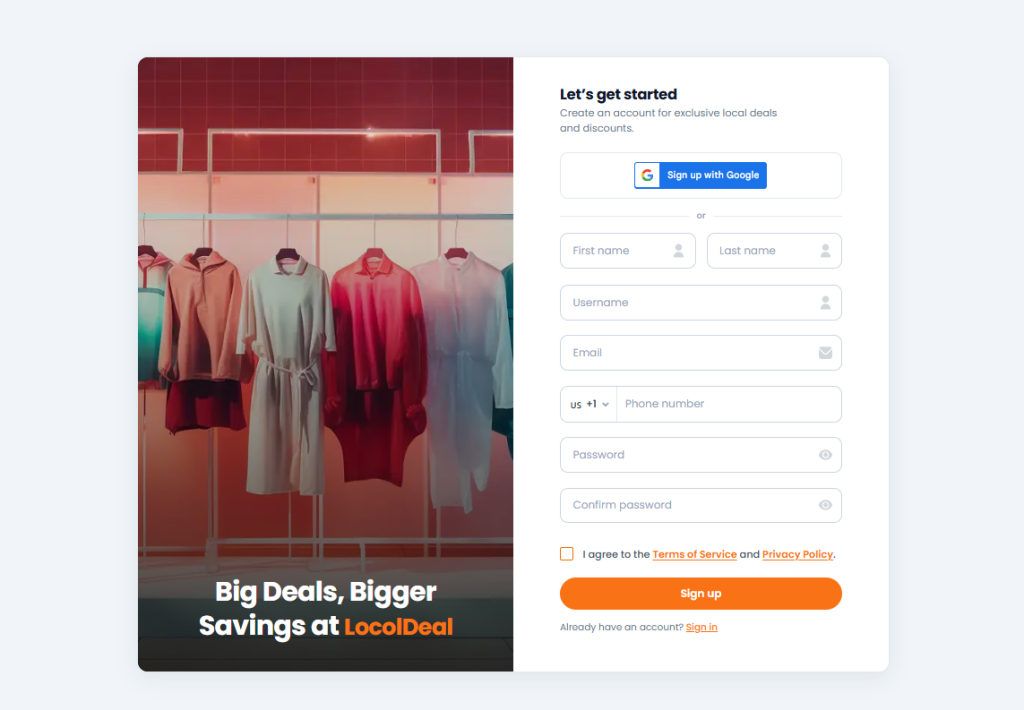
Browse freely, or create a quick, free account for a more personalized experience. Find local deals from neighborhood shops or enjoy the savings and reach of national chains — all in one place, without the noise.

Marketplace For Businesses
Create an account and start posting your best offers. Whether you’re a boutique florist, a furniture showroom, or a hardware store, promoting your business — and reaching shoppers who are actually looking for what you sell — has never been easier.
Attract new customers, keep them engaged, and increase word-of-mouth referrals by offering exclusive deals and coupons. With LocolDeal, you can reach a wider audience, build customer loyalty, and drive more sales without the hassle of expensive marketing campaigns.
Forget high marketing costs! Our platform provides an affordable way to advertise your business and get free local advertising in New York, helping you acquire new customers at just a fraction of the cost. Start promoting today and watch your business grow effortlessly.
Why LocolDeal for Shopping statistics?
LocolDeal is a dynamic platform designed to bridge the gap between local businesses and shoppers. By providing a centralized space for exclusive deals and coupons, it focuses on driving sales for merchants while fostering long-term customer loyalty through meaningful neighborhood connections.
LocolDeal: The Ultimate Marketplace
A win-win for both consumers and businesses. Shoppers get real deals from real local and national sellers, and businesses get direct visibility with the customers most likely to buy — whatever side of the men-vs-women spending gap they fall on.
Frequently Asked Question
Which gender spends more money on clothes?
It depends on the study. Some data shows women spending more annually on clothing overall, while other research finds Millennial men spend more per purchase on clothes and shoes. Women tend to buy more frequently across more categories (kids, home, gifts), while men often spend more per individual clothing purchase. There’s no single clear winner — it varies by age group, income, and country.
Who spends more on average, men or women?
Women generally spend more overall, since they make the majority of household purchasing decisions — groceries, home goods, gifts, and kids’ items. However, men often spend more per transaction in specific categories like electronics, footwear, and big-ticket items. So while women’s total spending tends to be higher, men’s average purchase size is sometimes larger.
Do women make up 80% of consumer spending?
Roughly, yes. Most 2026 studies estimate women drive between 70% and 85% of consumer purchasing decisions globally, whether buying directly or influencing household purchases. The exact figure varies by source and region, but 80% is a commonly cited midpoint used across retail and marketing research.
Which gender spends the most?
Women spend the most overall, driving the majority of global consumer purchases when you account for household, family, and gift spending. Men tend to lead in narrower categories like footwear, electronics, and tools. So “most” depends on whether you’re measuring total dollars spent (women) or spending concentrated in specific product categories (men).